Ai4Nature officially launched: from shared principles to collective action
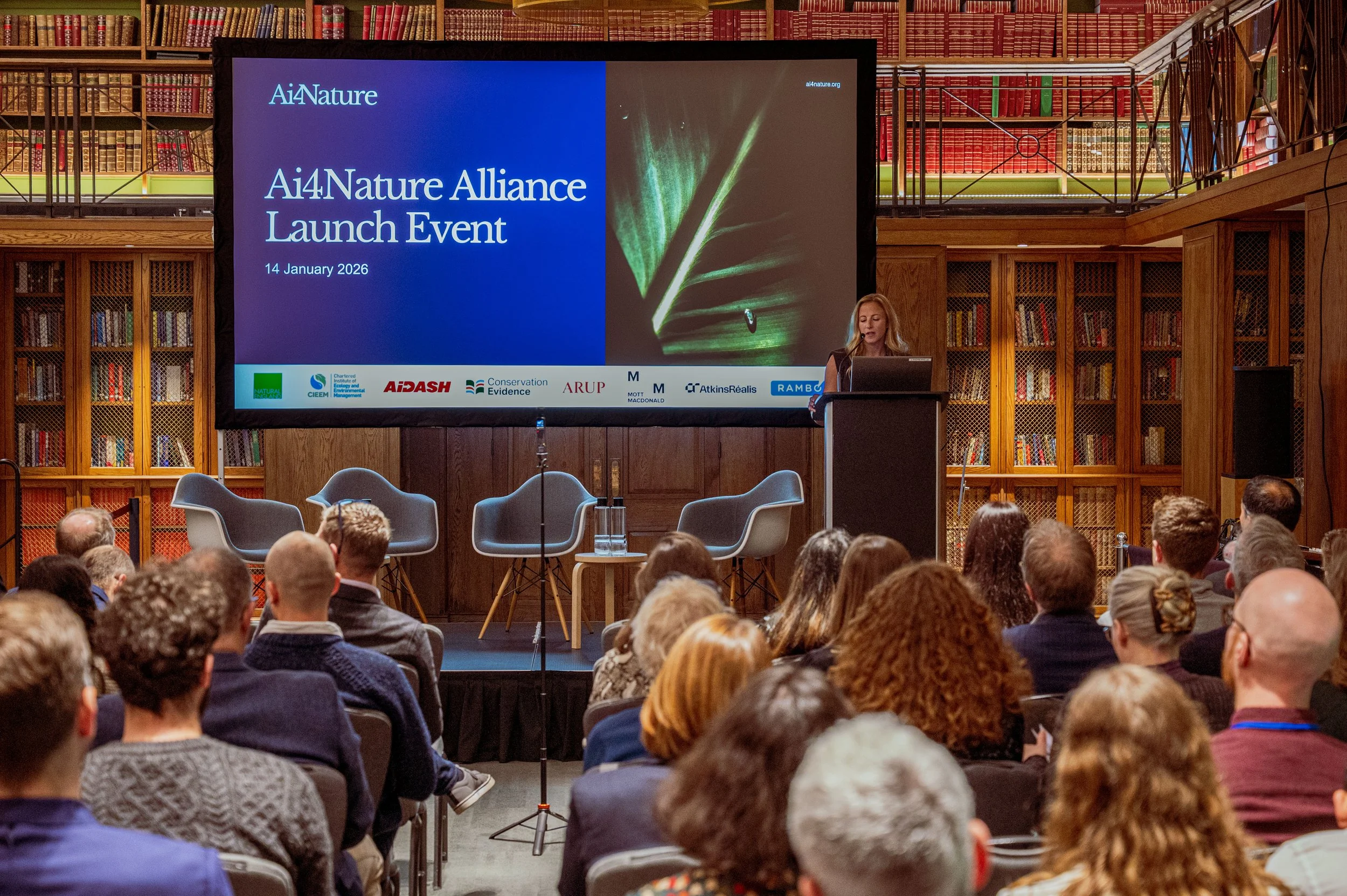
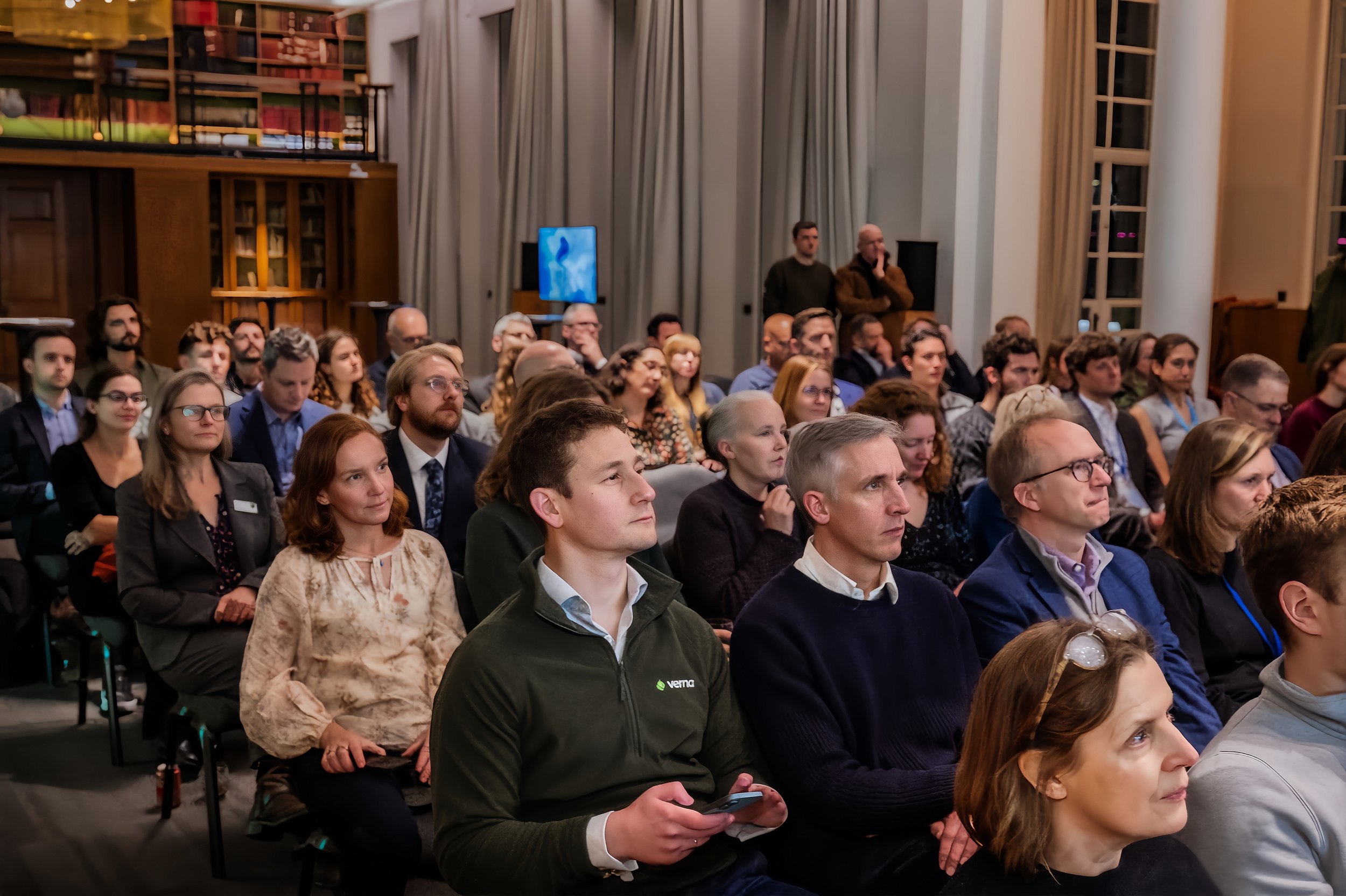
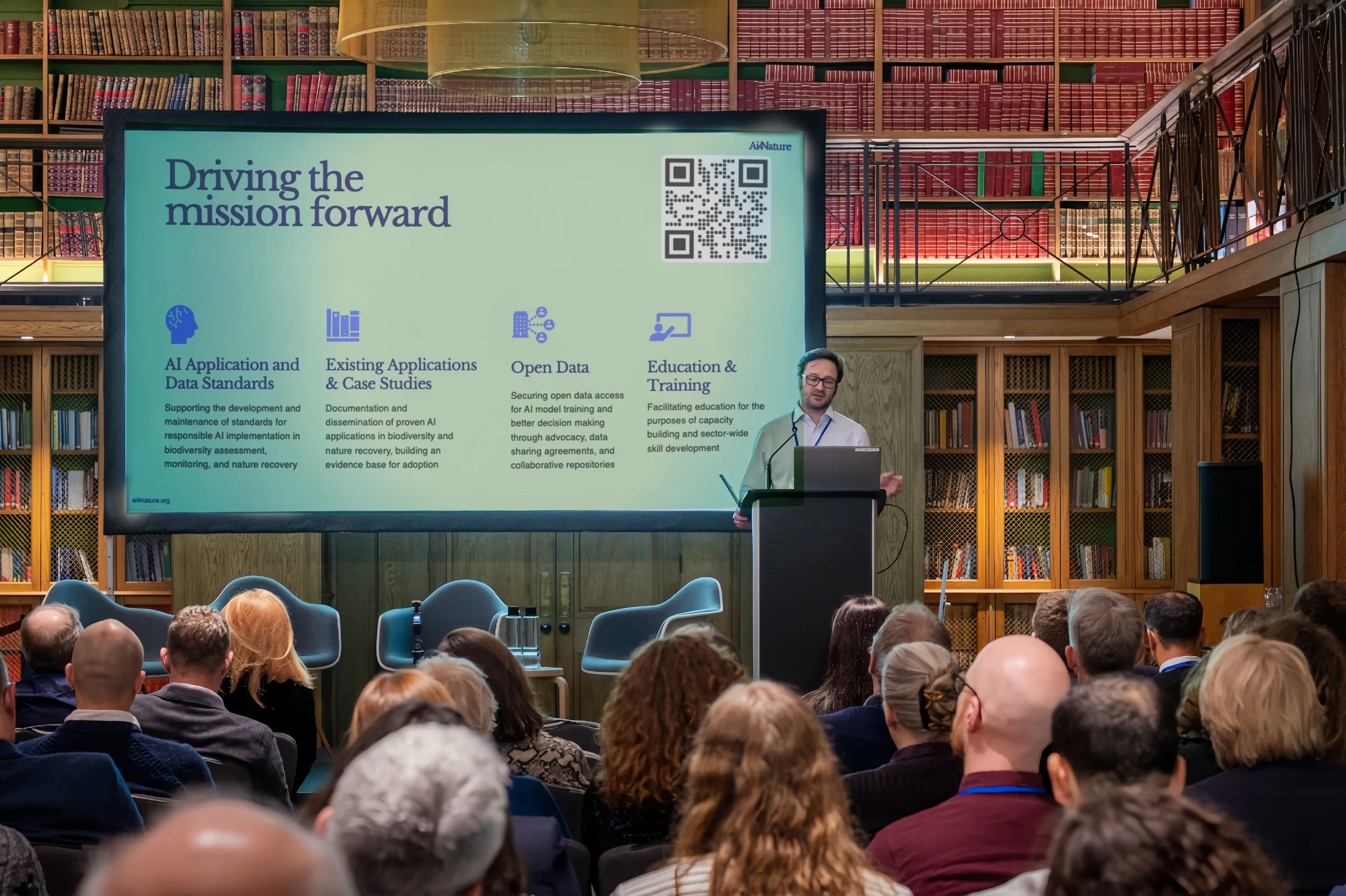
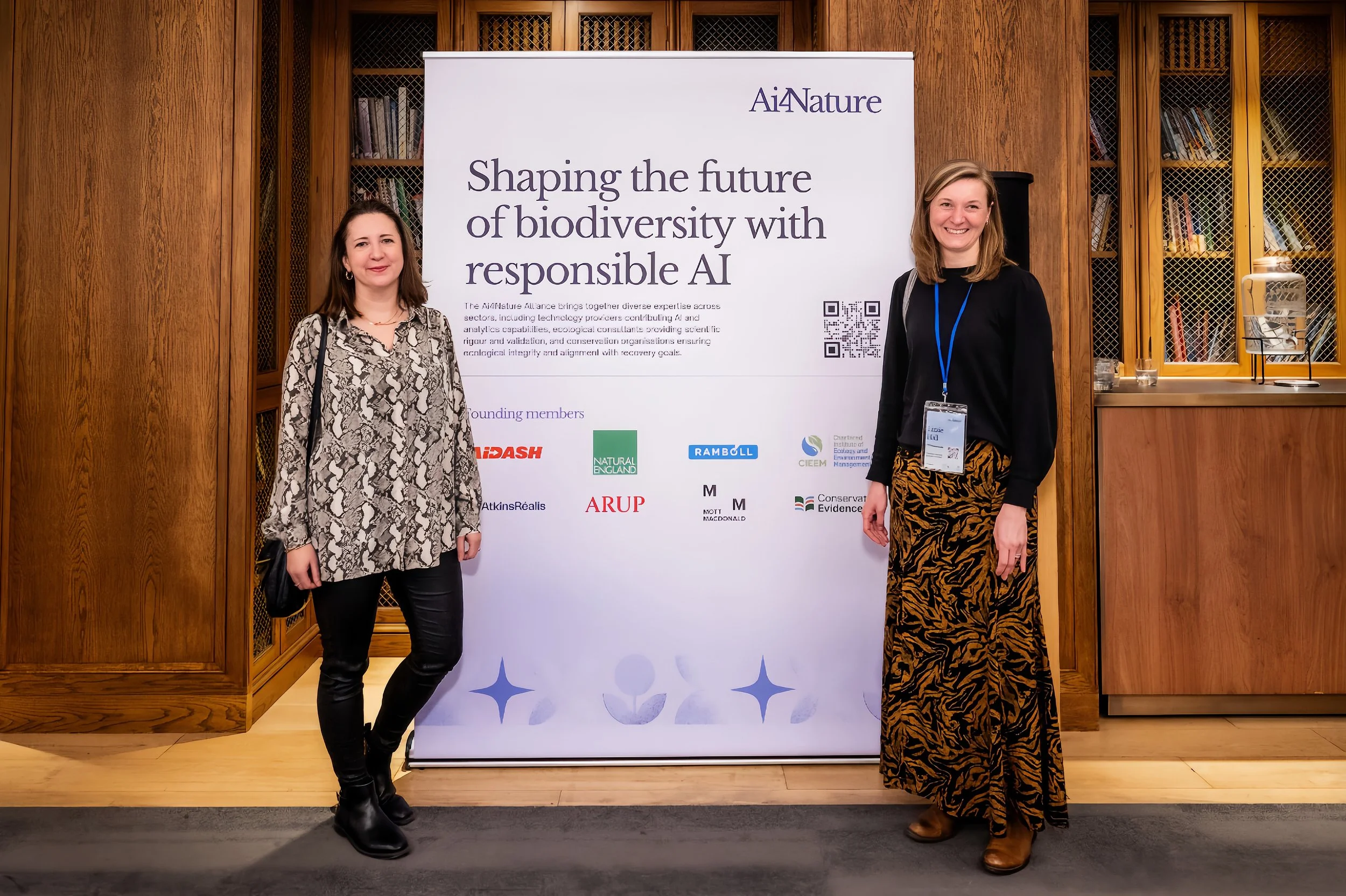
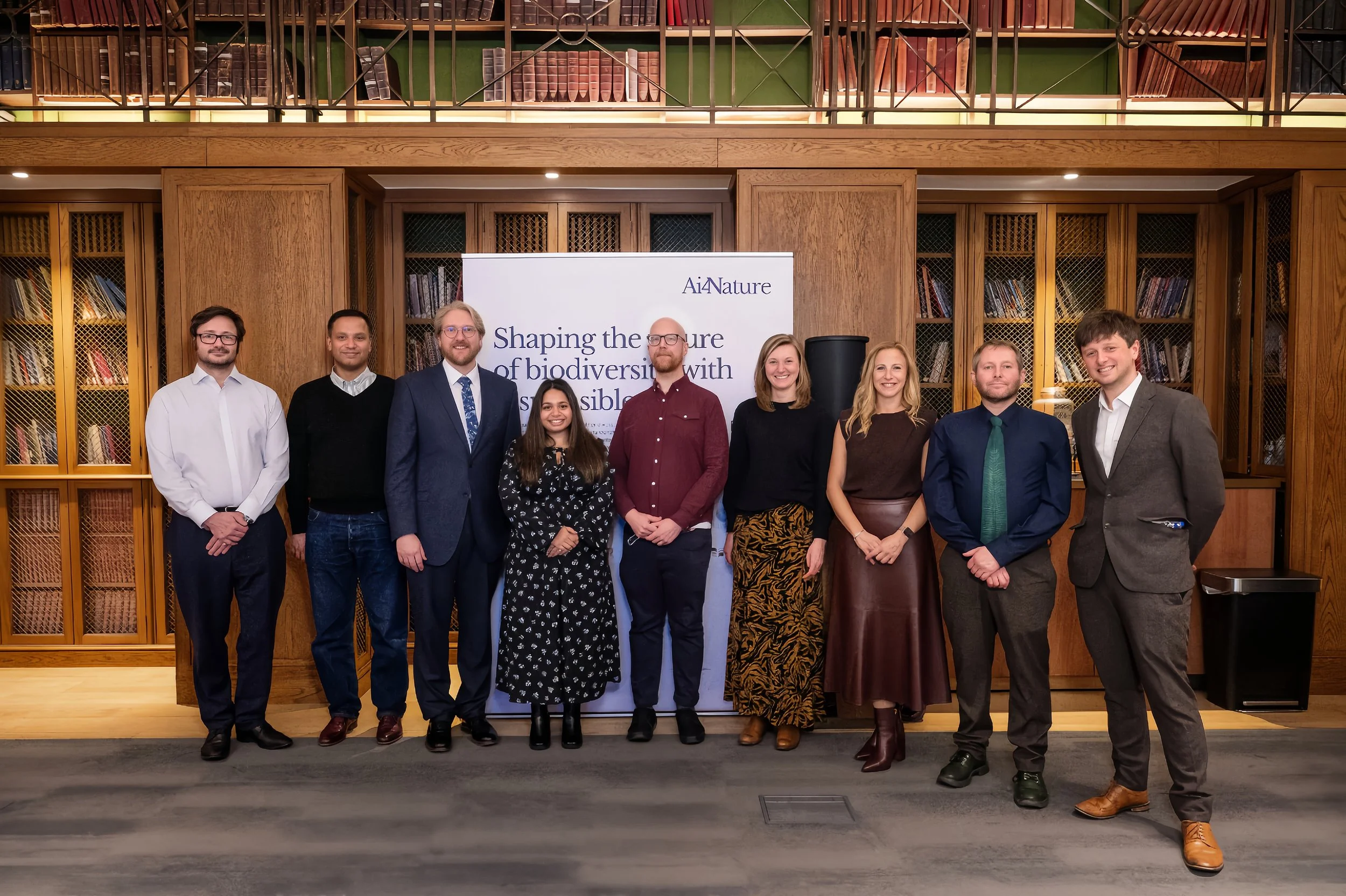
On Wednesday 14 January, we officially launched the Ai4Nature Alliance at IET London: Savoy Place, bringing together leaders from ecology, policy, academia, and technology to explore a defining challenge of our time: how AI can support nature recovery - responsibly, transparently, and at scale.
The evening marked the culmination of more than 18 months of conversations between founding organisations and practitioners. More importantly, it marked the start of a shared commitment to move beyond ideas and towards practical frameworks for using AI in the service of nature.
Setting the scene: why Ai4Nature exists
The launch was opened by Lucy Collins, who introduced Ai4Nature as a response to two accelerating realities: the scale of the nature crisis and the rapid adoption of AI across environmental decision-making.
“This alliance isn't just about technology - it's about responsibility. It's about ensuring that AI serves nature, guided by standards, evidence, and open collaboration. From monitoring ecosystems to supporting conservation decisions, the opportunities ahead are extraordinary.”
The question facing the sector is no longer whether AI will be used - but how. Ai4Nature exists to help ensure AI strengthens ecological expertise, professional judgement, and long-term stewardship, rather than undermining them.
Watch the opening speech below:
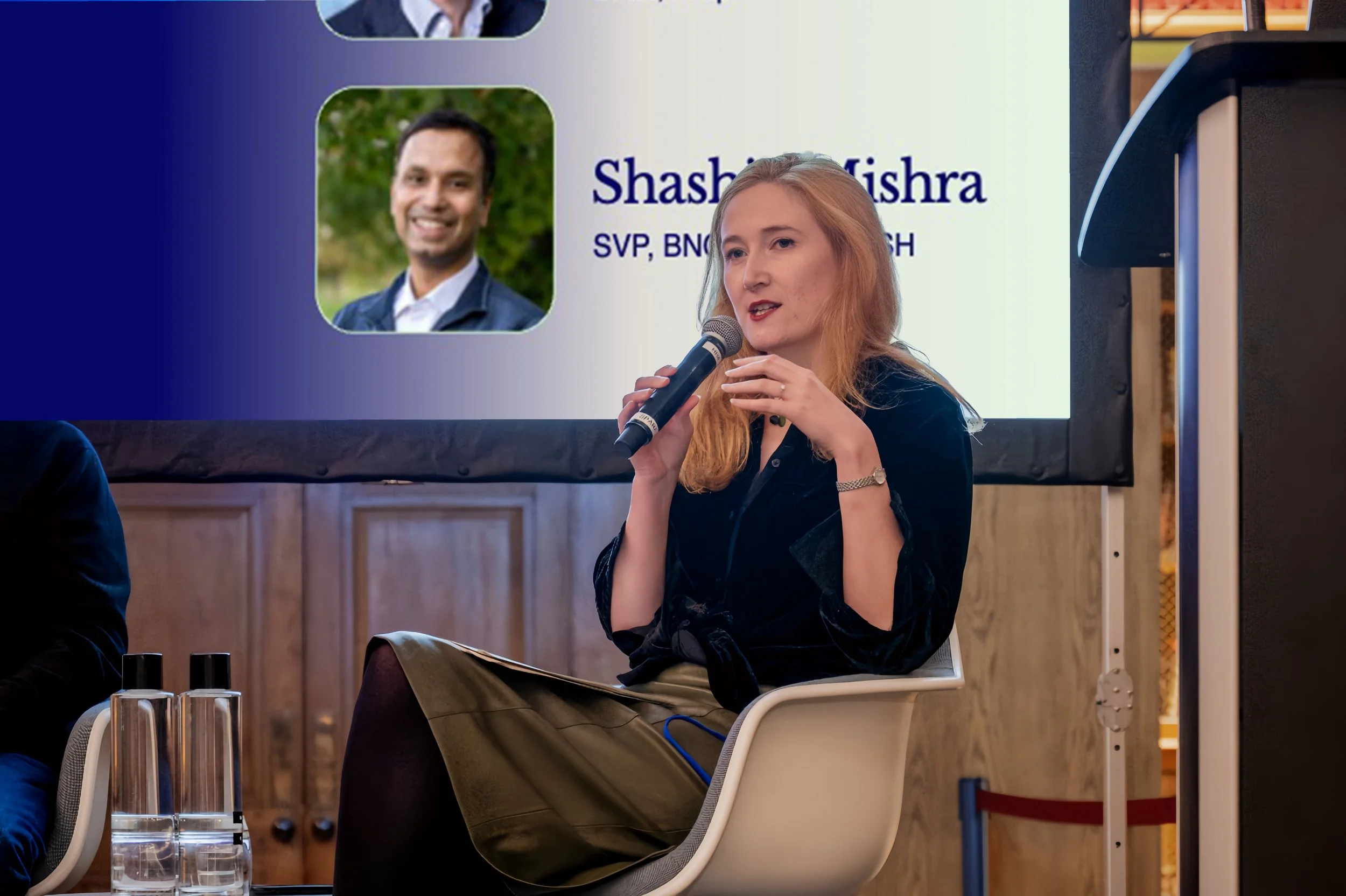
A deeper look at the panel discussion: responsibility, realism, and practice
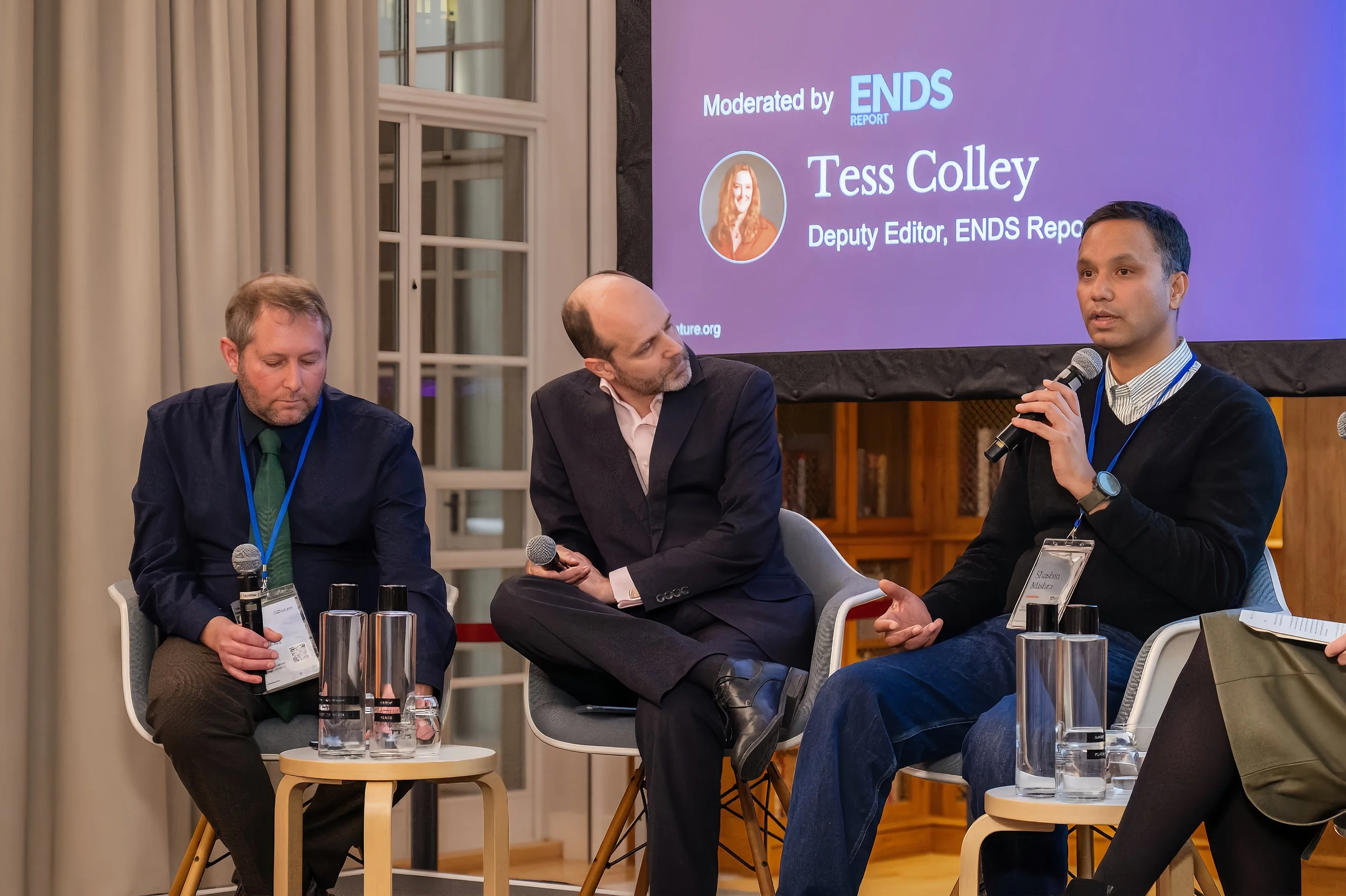
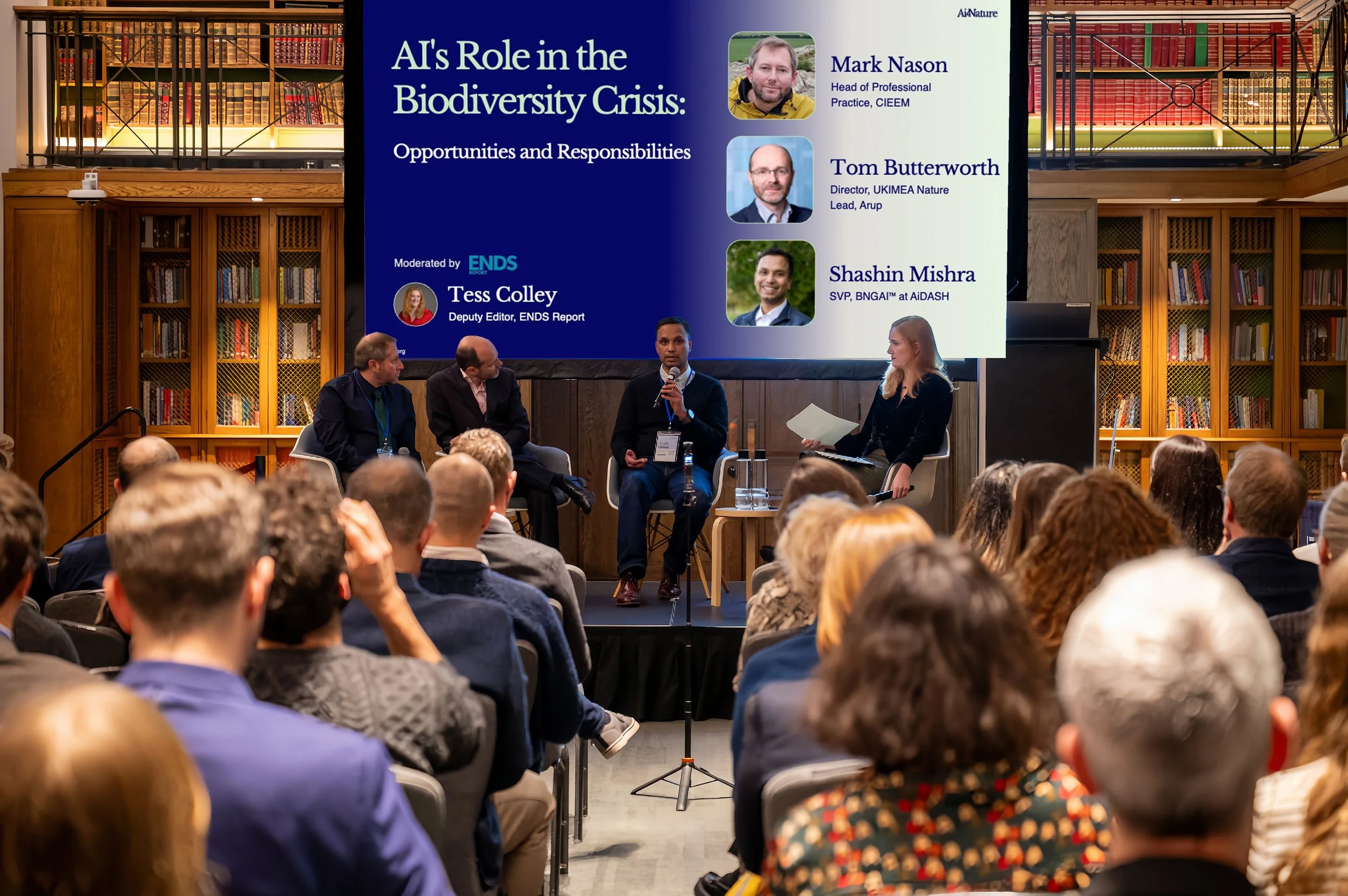
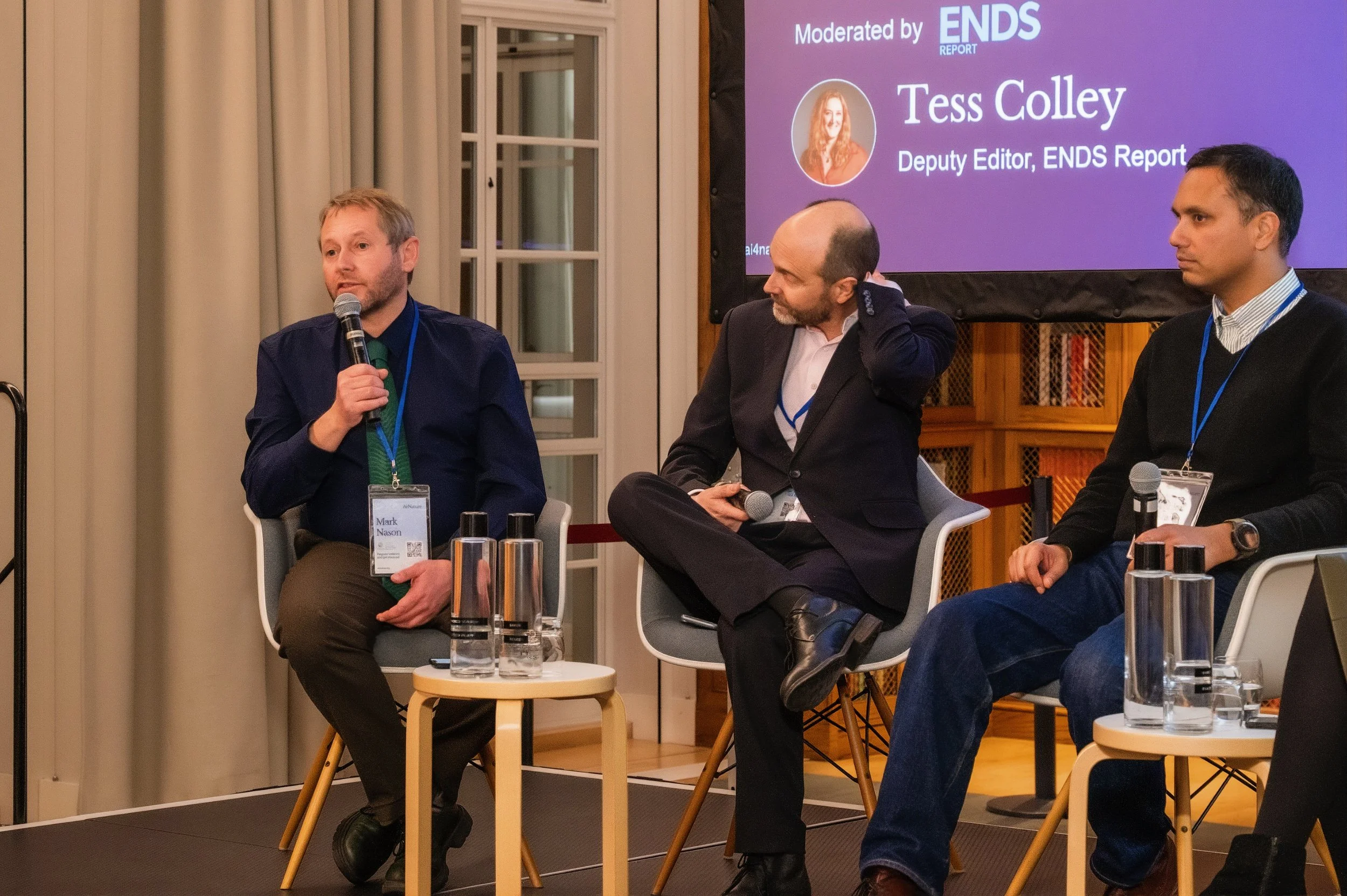
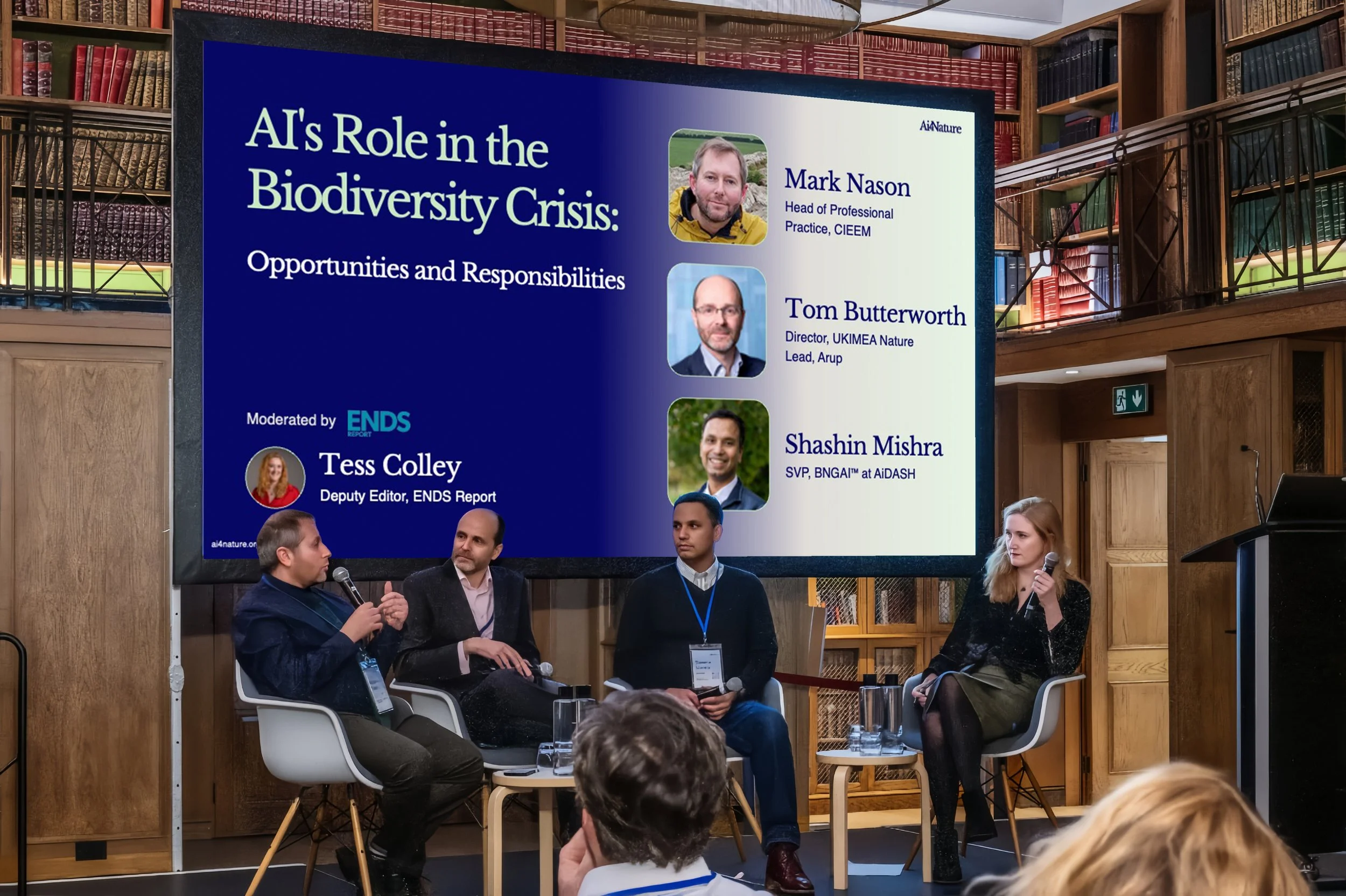
Moderated by Tess Colley of the ENDS Report, the panel brought together perspectives spanning professional standards, consultancy, and applied technology:
Mark Nason, CIEEM
Tom Butterworth, Arup
Shashin Mishra, AiDASH
Rather than focusing on hypothetical future applications, the discussion centred firmly on how AI is already entering ecological and environmental practice - and where caution, clarity, and leadership are needed.
A recurring theme was augmentation over automation. Panelists were clear that AI’s most constructive role is not replacing ecological expertise, but supporting it - helping practitioners manage scale, prioritise effort, and navigate increasingly complex datasets, while keeping interpretation and judgement firmly human-led.
Trust and transparency emerged as a defining issue. Speakers highlighted the importance of being explicit about where AI is used, what data it relies on, and how outputs are verified. In professional contexts, undisclosed or unverified AI use was widely seen as a risk - not only to decision quality, but to public and institutional trust.
The panel also addressed the real-world pressures facing practitioners, including limited time, growing regulatory complexity, and rising expectations for evidence and monitoring. In this context, AI was discussed as a potential enabler - helping reduce administrative burden and surface insight more efficiently - but only if embedded within clear standards and accountability frameworks.
Environmental cost was not avoided. The panel openly discussed the energy and resource implications of AI, emphasising proportionality: using the right tools for the right tasks, avoiding unnecessary computation, and weighing benefit against impact. Responsible AI, the group agreed, must account for its own footprint as well as its outcomes.
Throughout, there was strong alignment on the need for shared standards rather than isolated solutions - with professional bodies, consultancies, and technology providers all playing a role in shaping responsible practice.
Watch the recording below:
Keynote: making complexity usable, without losing the real world
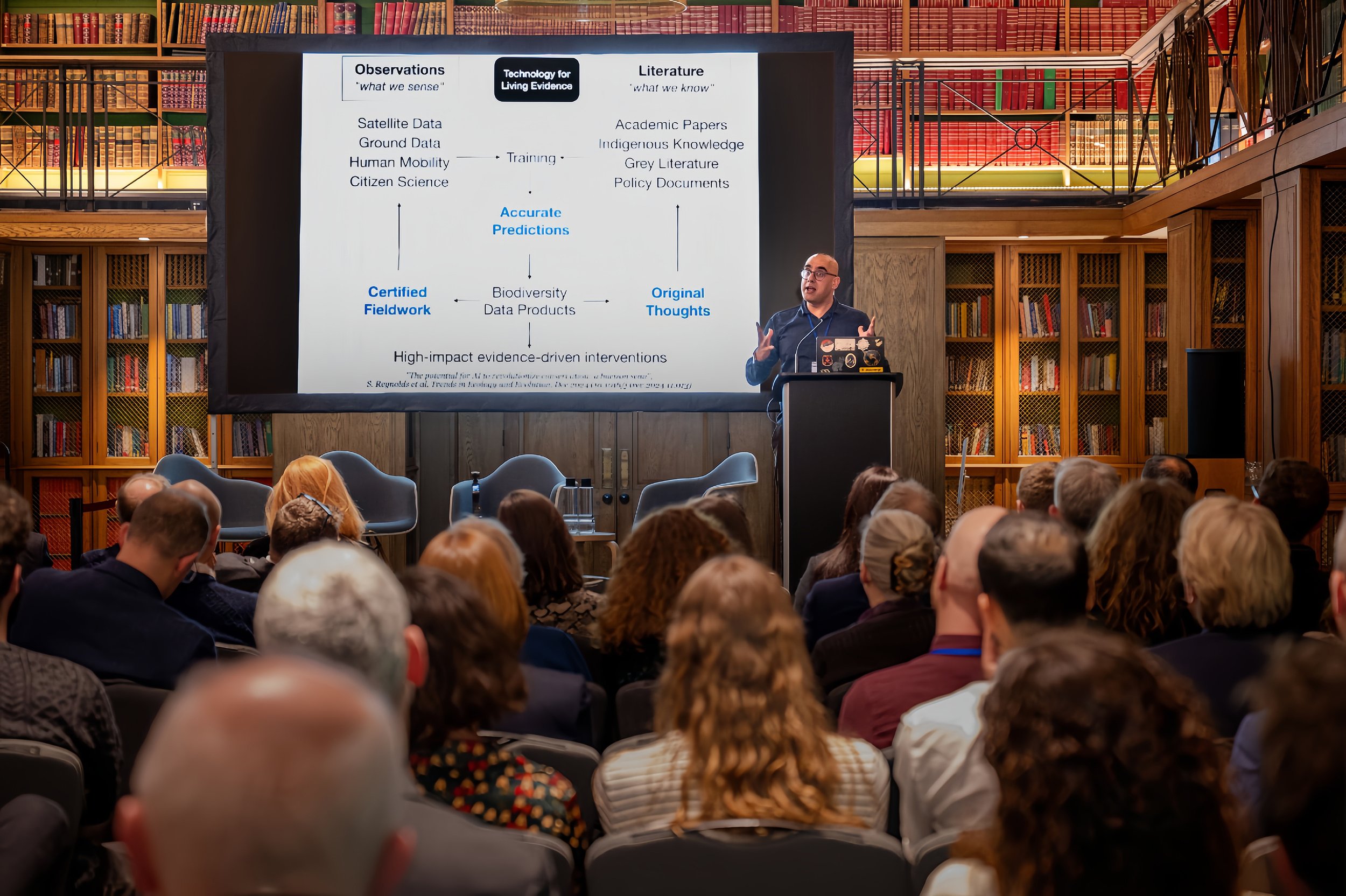
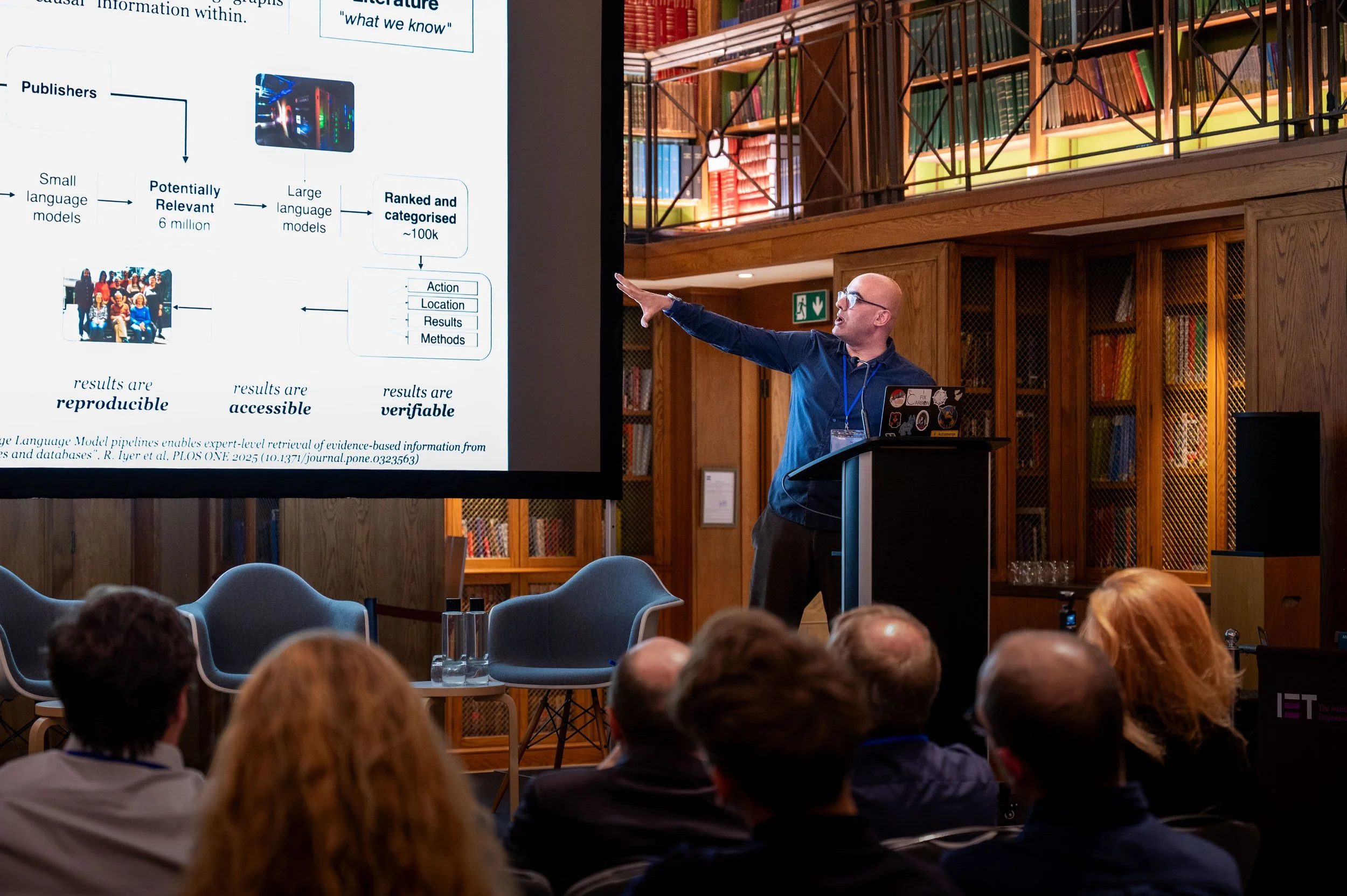
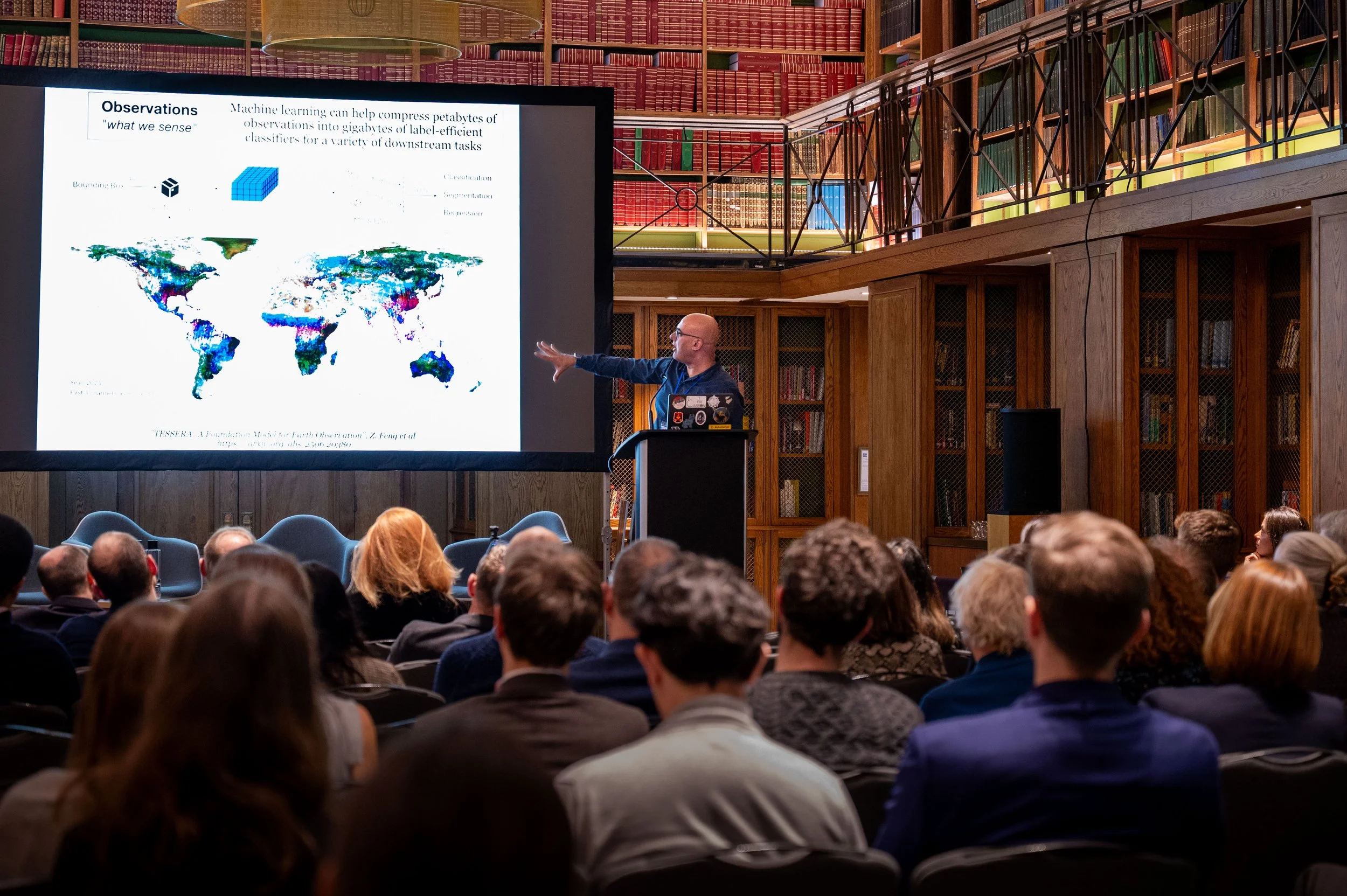
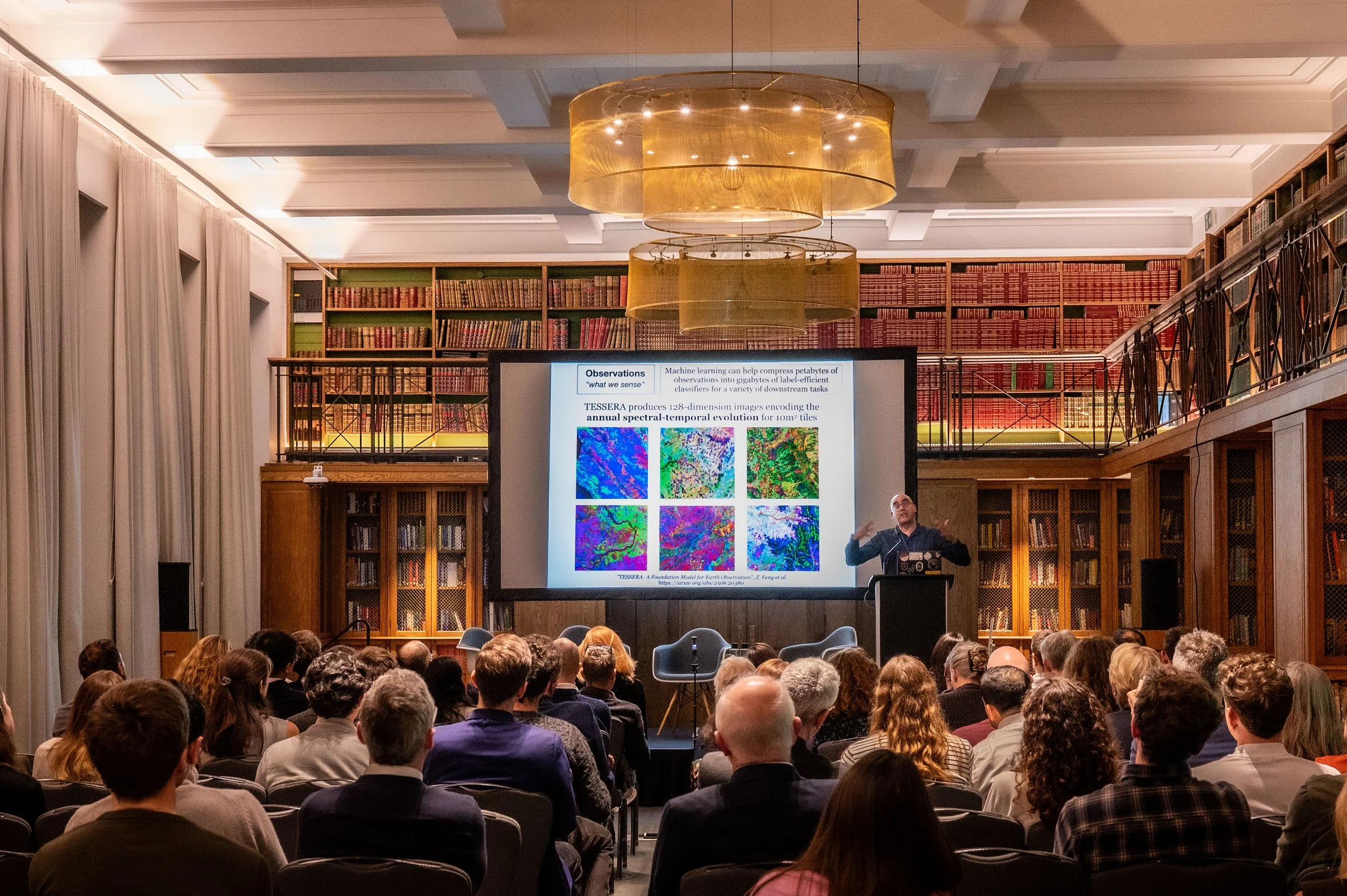
The keynote address from Professor Anil Madhavapeddy from the University of Cambridge offered a grounded and technically informed perspective on what modern AI systems can - and cannot - do for environmental decision-making.
Rather than presenting AI as a monolithic solution, the keynote focused on the challenge of working with vast, fragmented, and imperfect environmental data - and how carefully designed systems can help humans navigate that complexity without obscuring it.
A central warning was against opaque “black box” models that recycle past data without context or verification. Instead, the emphasis was on traceability, transparency, and hybrid approaches - combining large-scale computation with expert review, field knowledge, and continual validation.
The keynote highlighted how AI can help surface patterns, connect disparate sources of evidence, and accelerate understanding - but only when systems are designed to remain interpretable and accountable. Field data, expert input, and real-world feedback loops were repeatedly emphasised as non-negotiable components of credible environmental intelligence.
Crucially, the talk reinforced a theme echoed throughout the evening: AI should help us understand the living world better, not distance us from it. Used well, it can support more informed decisions, better monitoring, and more responsive stewardship. Used poorly, it risks creating confidence without comprehension.
Watch the full keynote below:
From discussion to direction
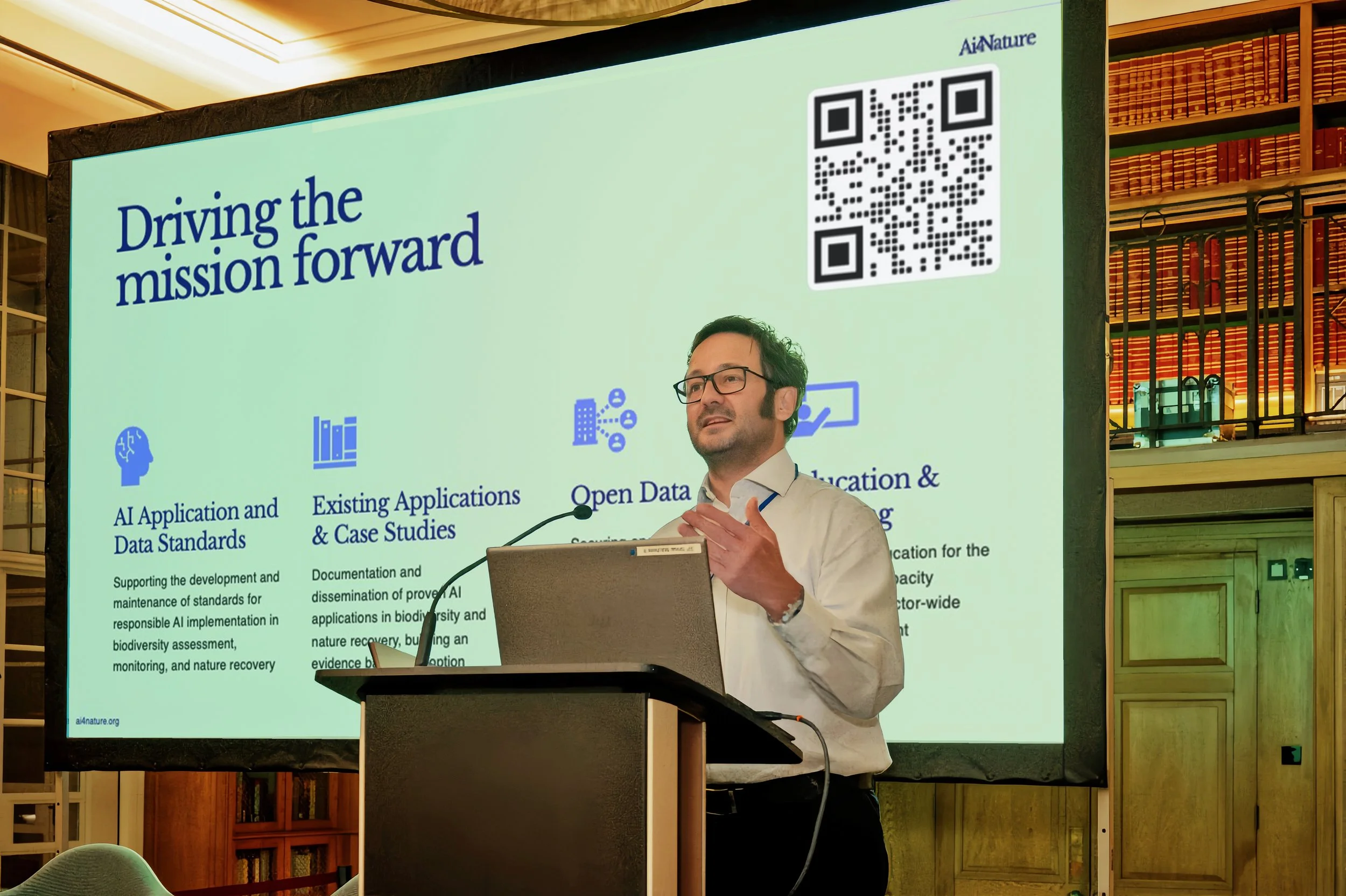
The evening closed with reflections from Damien McCloud, who reinforced the need to translate insight into action. Ai4Nature, he noted, is not about producing abstract principles, but about shaping practical structures - from skills and education to standards and collaboration - that allow responsible AI to take root across sectors.
Attendees were invited to engage directly in what comes next, including focused working groups that will help define priorities around transparency, skills, governance, and real-world application.
What happens next
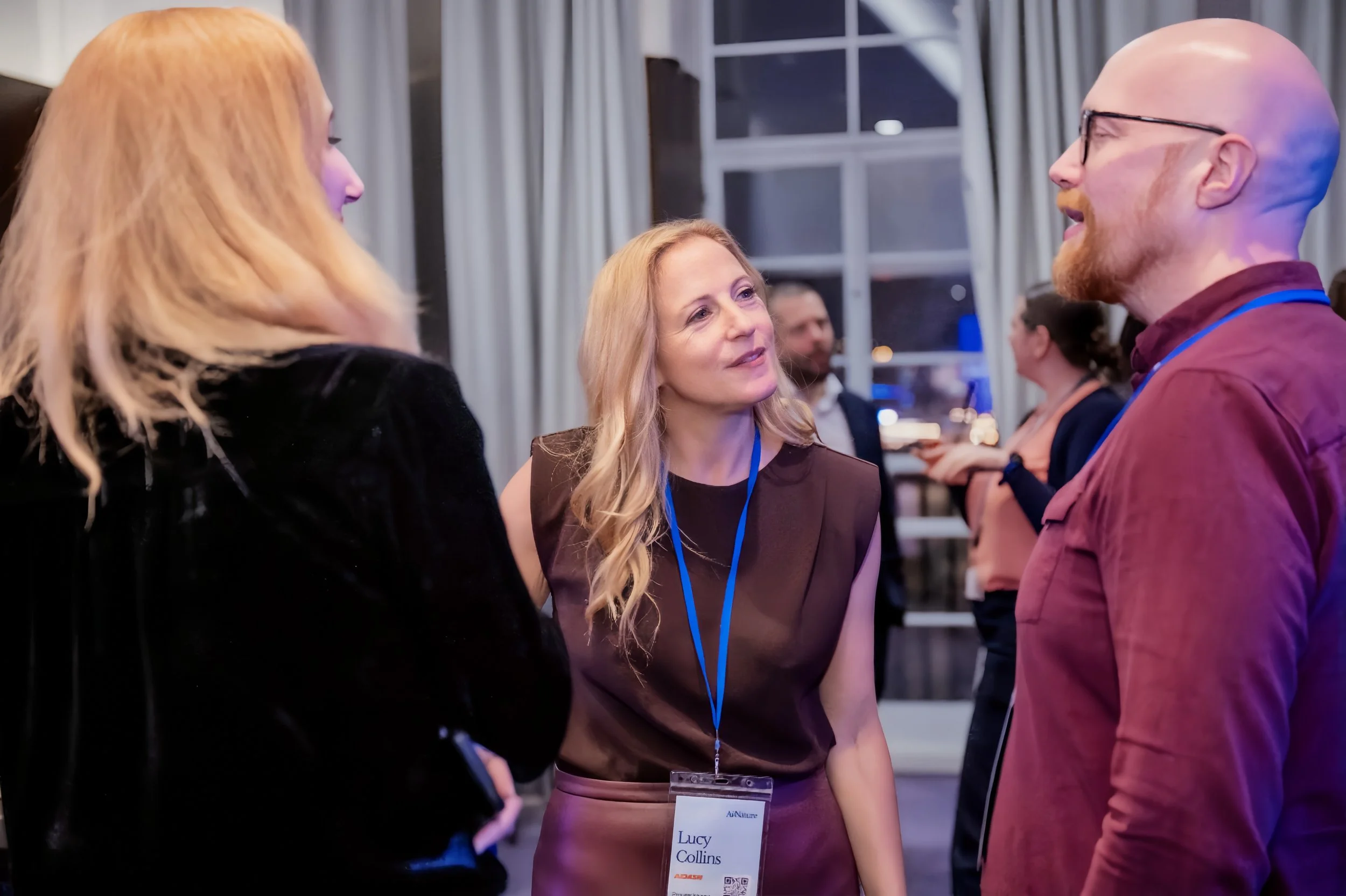
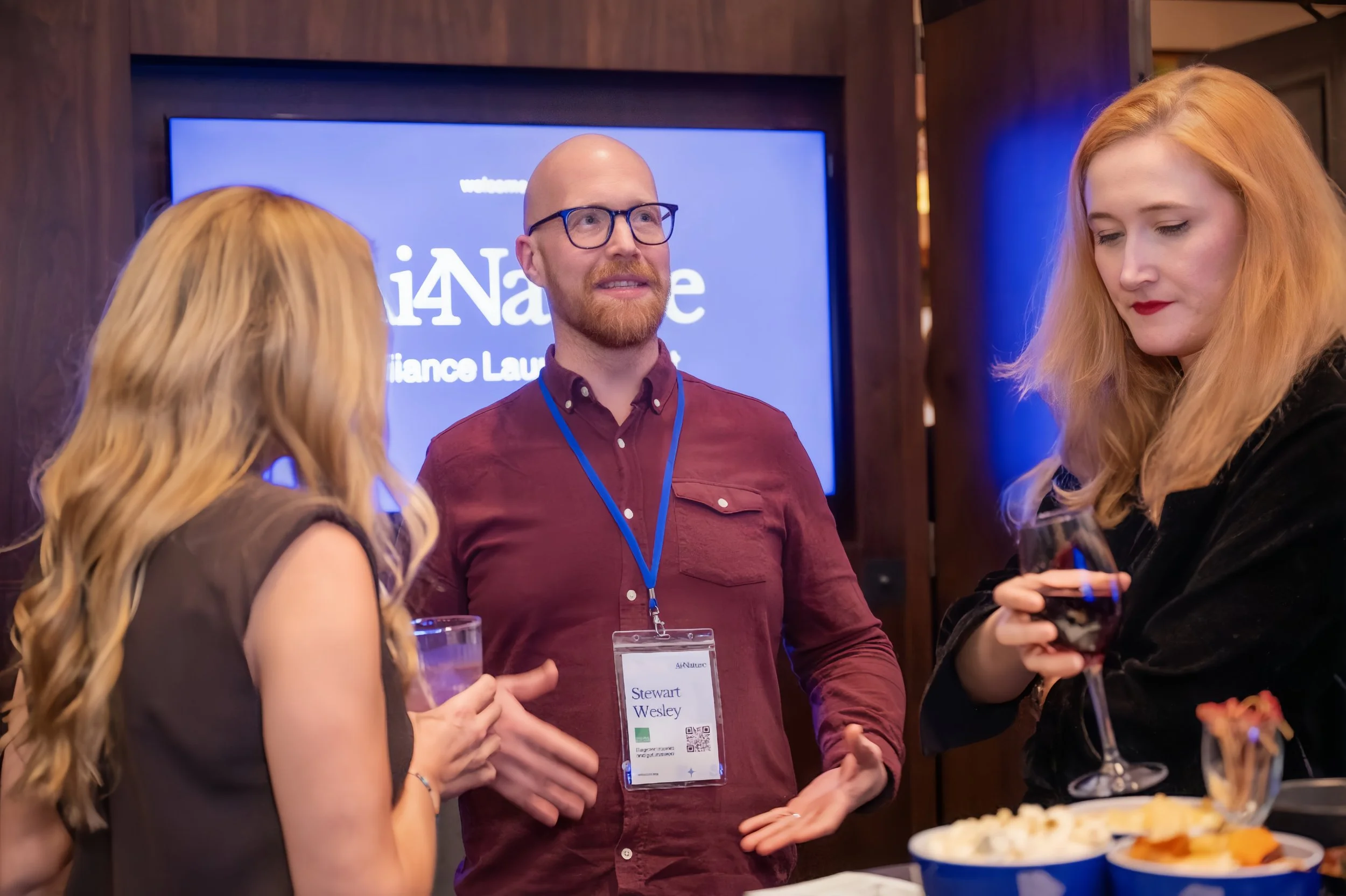
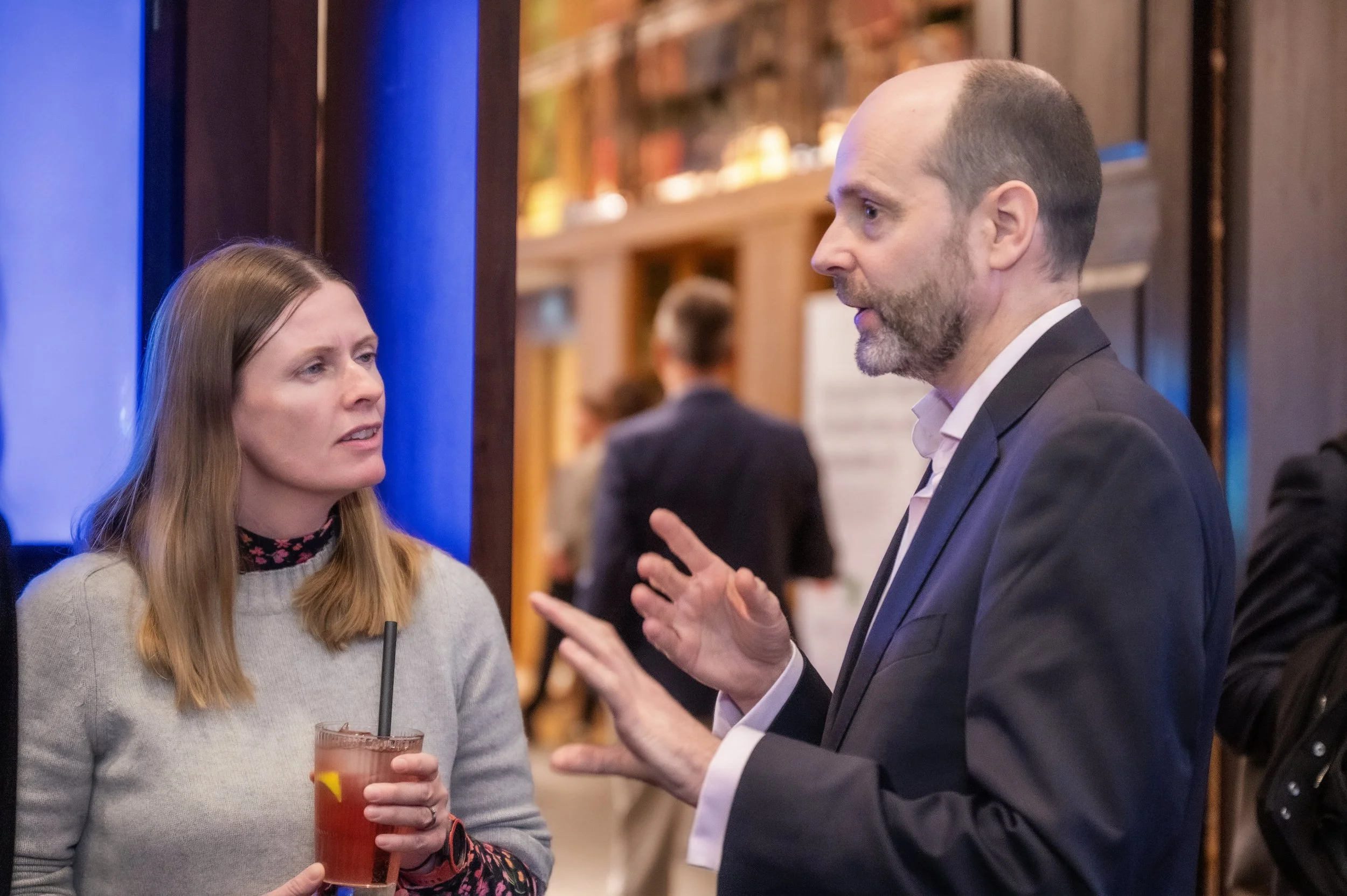
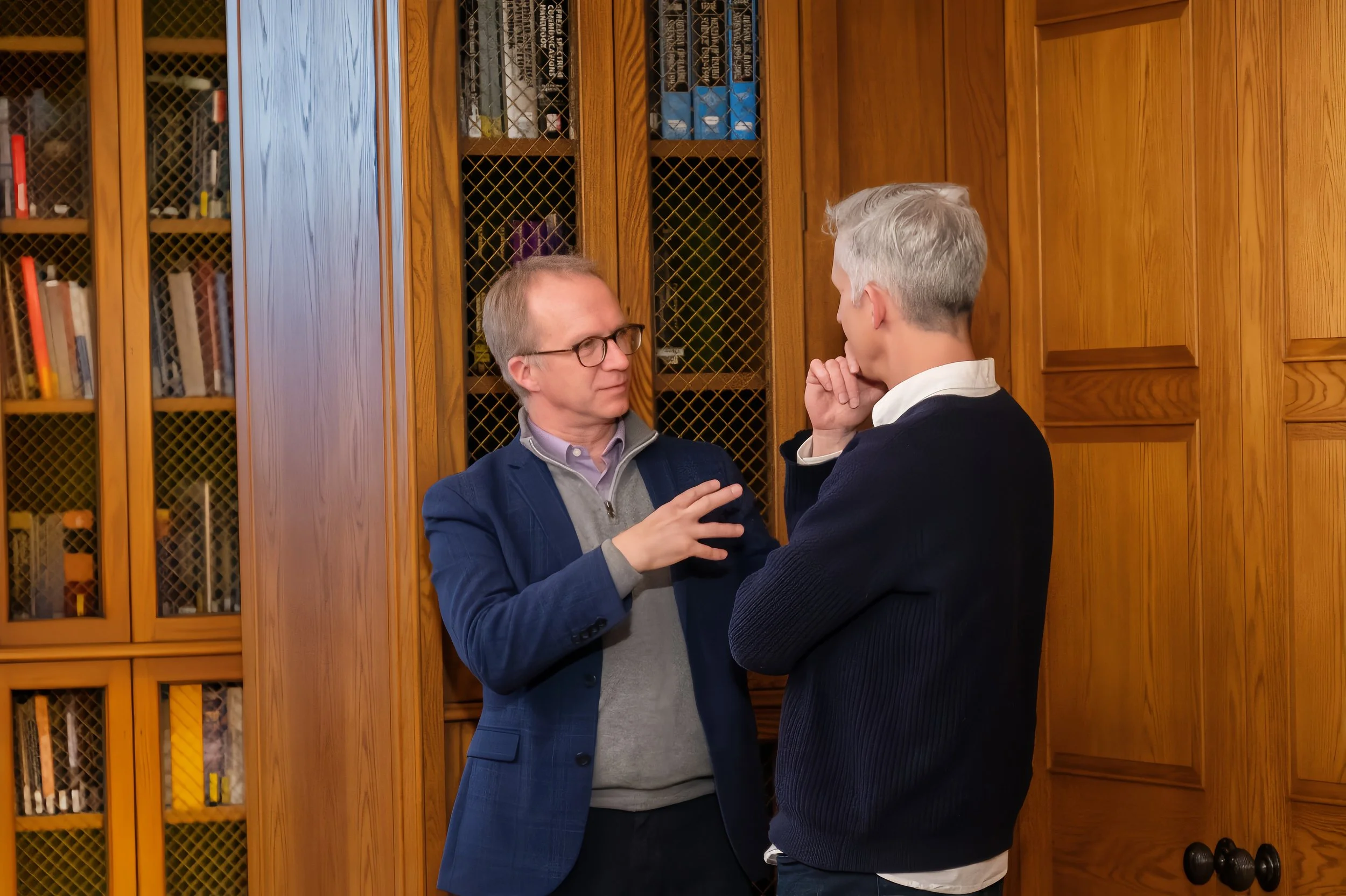
As formal proceedings wrapped up, conversations continued over drinks - a fitting end to an evening centred on collaboration and shared responsibility. The energy in the room made one thing clear: while AI is not a silver bullet, used thoughtfully, it can become a powerful ally for the natural world.
Ai4Nature now moves from launch to action.
If you’d like to be part of shaping what responsible AI for nature looks like in practice, we invite you to:
Join an Ai4Nature working group by expressing interest here
Follow the Ai4Nature LinkedIn page for updates, insights, and upcoming activity
This is just the beginning.